Clear images and vivid colors are important advantages of LED displays. However, maintaining consistent display performance across the entire screen is equally important, as it directly affects the viewing experience and the quality of the final project.An LED display is typically made up of multiple LED modules and cabinets assembled together. Even when LED chips with the same specifications are used, slight differences in brightness and color may still exist between individual components. When multiple display units are combined into a large screen, these subtle variations can become more noticeable, resulting in uneven brightness, color deviations, or visible differences between cabinets.
This is where LED Display Calibration plays an important role.Using professional image capture equipment and calibration software, the brightness and color performance of different areas of the screen can be analyzed and adjusted. This helps reduce display variations between modules and cabinets, allowing the entire screen to deliver a more uniform and visually consistent image.
1. What Is LED Display Calibration?
LED display calibration is an adjustment process designed to improve brightness and color consistency across a screen.Since an LED display consists of numerous LED chips and modules, differences may occur in the actual display performance of individual components. These variations may result from the characteristics of the LED components themselves, the module manufacturing process, or changes in display performance after long-term operation.Through LED Display Calibration, display variations across different areas of the screen can be adjusted to improve overall image consistency.
Calibration mainly focuses on the following aspects:
Brightness Uniformity: Reduces brightness variations between different areas of the screen, helping maintain more consistent brightness across the entire display.
Color Consistency: Reduces color deviations between different modules or cabinets, making the colors across the screen appear more balanced and coordinated.
White Balance: Adjusts the proportions of red, green, and blue to improve the display of white and grayscale images.
Overall Display Uniformity: Reduces display variations between different modules or cabinets, helping the entire screen deliver a more consistent and seamless visual appearance.
It is important to note that LED display calibration is not simply about increasing or decreasing the brightness of the entire screen. Instead, it involves adjusting brightness and color parameters in different areas according to their actual display performance.The specific calibration level may involve individual pixels, modules, or cabinets, depending on the product configuration, control system, and calibration mode.
2. What Improvements Can LED Display Calibration Bring?
The main purpose of calibration is not simply to make the screen brighter, but to improve overall image quality:
More uniform brightness: Reduces uneven brightness and visible bright or dark patches across the screen.
Better color matching between modules: Helps achieve smoother color transitions between adjacent display areas.
Improved white balance: Delivers cleaner and more natural-looking white and grayscale images.
More seamless visual transitions: Improves the visual continuity between display sections, making the entire screen appear more unified.
These improvements help ensure consistent and visually appealing content across advertising displays, information screens, and public displays.
3. Factory Calibration for CNLC LED Displays
At CNLC, LED display calibration is part of our production quality control process. We focus not only on the performance of individual LED modules but also on the overall display quality of the finished product.CNLC's factory calibration covers a range of LED products, including MiP small-pitch LED displays, SMD P2 and P2.5 LED displays, as well as CNLC's in-house P2.9 LED products.Among these products, MiP small-pitch LED displays have higher requirements for image detail and display consistency, particularly when viewed at close distances. Therefore, CNLC applies additional calibration testing to these products, with a focus on brightness and color performance across different display areas.
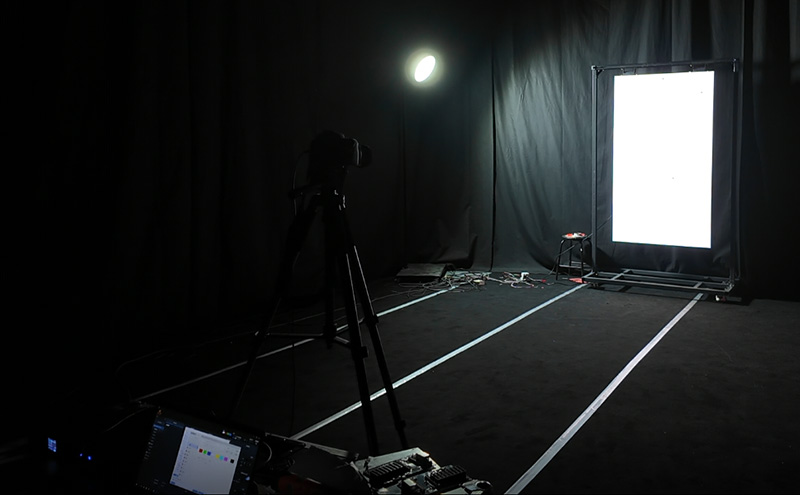
During the calibration process, CNLC uses a camera-assisted calibration method. A camera captures images of the screen, and software analyzes brightness and color variations across different areas. Corresponding adjustments are then made according to the product configuration and calibration mode.Our focus extends beyond the display parameters of individual modules to the overall visual performance of the assembled display. Through appropriate calibration and adjustments, we help improve brightness uniformity, color consistency, and overall color performance in finished products.From MiP small-pitch LED displays to SMD LED products, CNLC continues to focus on display quality across different product ranges, aiming to deliver LED displays with more uniform brightness, consistent colors, and good color reproduction.
4. Why Is Calibration Important for Different Applications?
Different applications have different display requirements. Projects involving large display areas or close viewing distances generally have higher requirements for brightness and color consistency.
Large Outdoor LED Advertising Screens: These displays are assembled from multiple cabinets. Calibration helps maintain consistent advertising visuals across the entire screen.
Outdoor LED Totem Displays: Often used for brand promotion and public information display, visual consistency directly affects the overall presentation of the brand.
Small-Pitch LED Displays: Since these displays are often viewed at close distances, even slight color differences or brightness irregularities can be noticeable. Display consistency is therefore particularly important.
Large LED Video Walls: Built from multiple display units, these systems rely on consistent performance across different areas to achieve a unified visual experience. Calibration helps reduce visible inconsistencies between display sections.
5. How to Evaluate a Supplier's Calibration Capabilities When Purchasing LED Displays?
When purchasing LED displays, buyers should consider not only pixel pitch, brightness, protection ratings, and structural design, but also the manufacturer's calibration capabilities. The following aspects are worth evaluating:
Calibration Equipment: Does the manufacturer use professional image capture equipment and calibration software, rather than relying solely on visual inspection?
Calibration Capabilities: Does the process support both brightness calibration and color calibration?
Process Compatibility: Can the calibration process be matched to the product structure and control system?
Finished Product Inspection: Does the manufacturer conduct inspections on fully assembled displays, rather than testing individual modules only?
Quality Control Integration: Is calibration incorporated into the overall production quality control process, alongside LED chip sorting, aging tests, and environmental cycling tests?
6.Helping Every LED Display Deliver Better Visual Performance
From individual LED modules to the performance of the finished display, brightness and color consistency are important factors affecting overall image quality.At CNLC, we incorporate LED display calibration into the production quality control of different products. Calibration and testing methods are selected according to product characteristics, with a focus on the overall display performance of every finished screen.If you are looking for LED displays for outdoor advertising, commercial applications, or other projects, feel free to contact CNLC to learn more about our products and customized solutions.
LED Display Calibration FAQ
Q1: What Is LED Display Calibration?
LED display calibration is the process of adjusting brightness and color parameters to reduce display variations between different pixels, modules, or cabinets. It helps improve brightness uniformity and color consistency across the entire screen, making the displayed image look more balanced and coordinated.
Q2: Why Is Brightness Uniformity Important for LED Displays?
Brightness uniformity affects the overall viewing experience. If there are noticeable brightness differences between different areas, the screen may appear uneven, with certain sections looking brighter or darker than others. This is particularly noticeable on large displays and when showing large areas of solid colors.
Q3: Can LED Display Calibration Improve Color Differences?
Yes. LED color calibration adjusts relevant display parameters to reduce color deviations between different modules or cabinets, helping improve overall color consistency. However, if color differences are caused by hardware failures, the affected components may need to be repaired or replaced first.
Q4: How Does Camera-Assisted Calibration Work?
Camera-assisted calibration uses a camera to capture images of an LED display. Calibration software then analyzes brightness and color variations across different areas and adjusts the corresponding display parameters based on the analysis results to improve overall display performance.
Q5: When Does an LED Display Need Calibration?
LED displays can undergo calibration during the manufacturing process, depending on the product configuration and production workflow. If modules are replaced, the screen is reassembled, or noticeable brightness and color variations develop after long-term use, recalibration may also be considered based on the actual conditions.
Q6: Will an LED Display Become Brighter After Calibration?
Not necessarily. The main purpose of LED display calibration is to improve brightness consistency between different areas, rather than increase the maximum brightness of the screen. The maximum brightness an LED display can achieve mainly depends on its LED components, driving method, and product design.
Q7: How Often Should an LED Display Be Calibrated?
There is no fixed calibration schedule for all LED displays. The frequency depends on factors such as the display type, operating environment, usage time, and changes in display performance. Regular inspections can help identify brightness or color variations and determine whether recalibration is necessary.
Q8: Can LED Display Calibration Fix All Display Problems?
No. LED display calibration is mainly used to improve brightness and color consistency. It cannot repair hardware failures such as damaged LED chips, faulty modules, or defective electronic components. These issues need to be addressed through repair or component replacement before calibration can help restore display consistency.